YKHF132
132 kW pump · 23 L/min
Flow rate
23 L/min (6.1 US gal/min)
Total installed power
166 kW (223 HP)
Machine weight
11,650 kg
Max. pressure
2,500 bar (36,000 psi)
An electronically controlled hydrofinish system that brings process water to 2500 bar and machines stone surfaces with stored robot programs — replacing hand craftsmanship with a process you can measure.
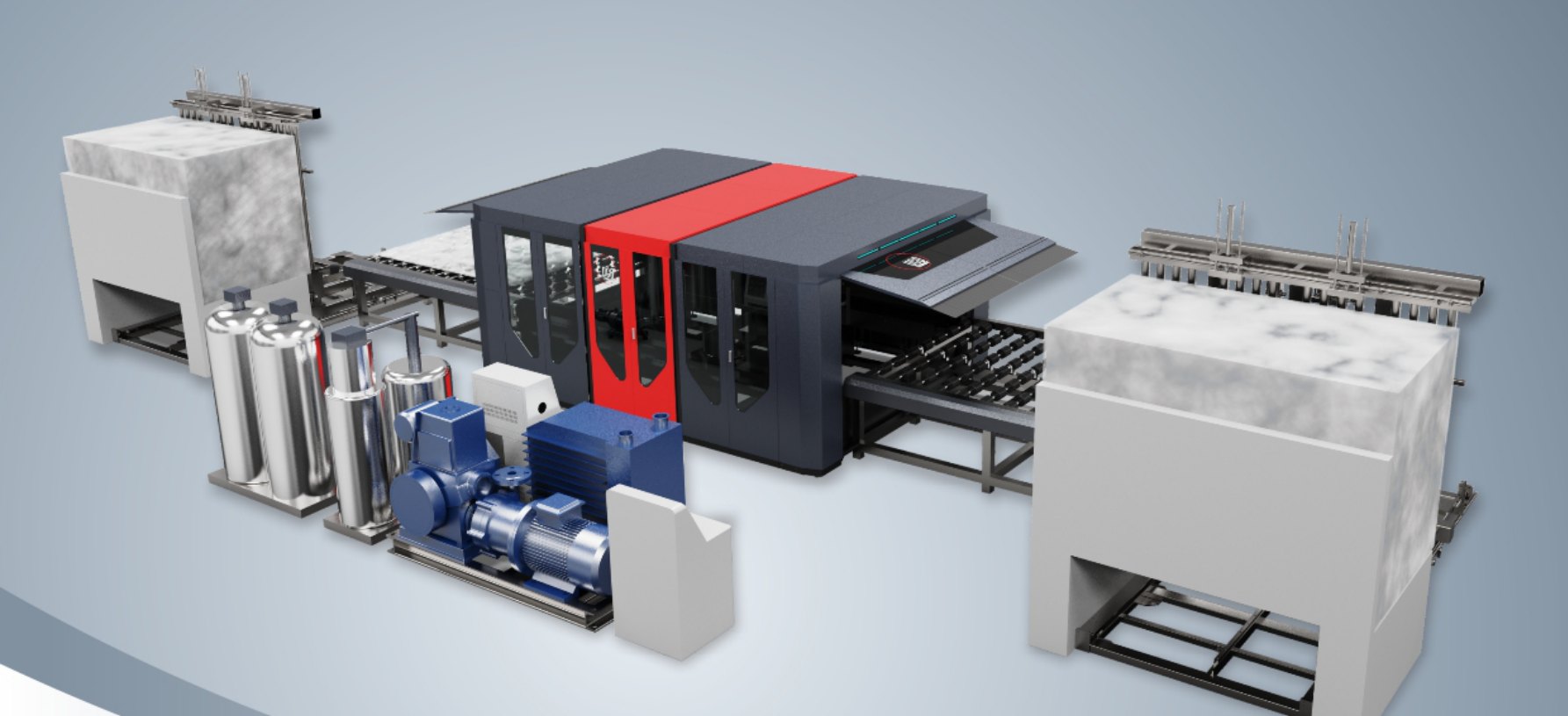 YKHF series — intensifier pump · processing gantry · conveyors
All process and decorative parameters are set once by the process engineer and held by the control system. Every pass is then executed by the water jet, so the finish no longer depends on the skill of the operator standing at the machine.
The YKHF series is a single system rather than a set of components: a plunger intensifier raises process water to working pressure, a nozzle converts it into a coherent jet, and a gantry traverses that jet across the slab on a programmed path.
Slabs are handled by loading and unloading conveyors, with an optional flipper for turning. Scope of supply covers the intensifier plunger pump and the stone surface-processing machine as one delivered line.
See the architecture →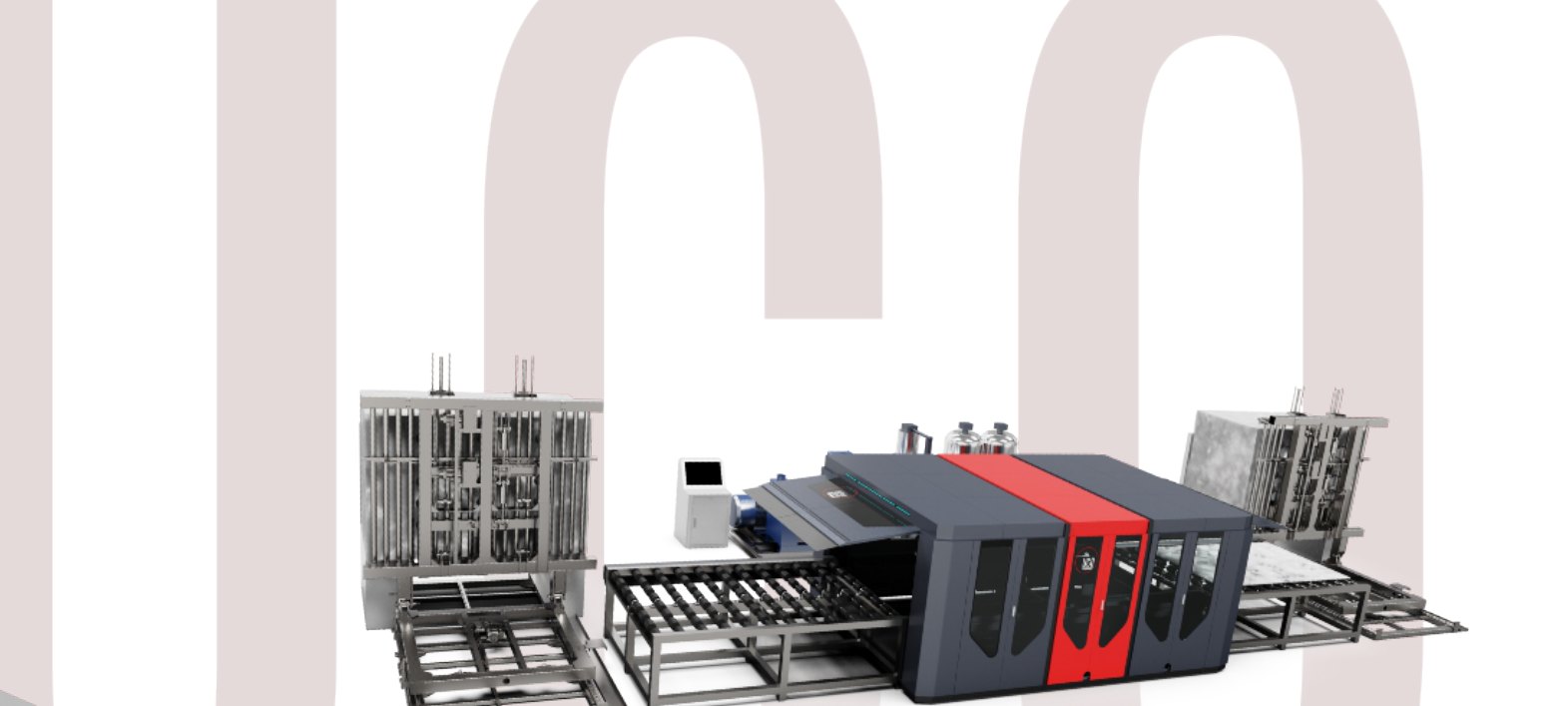
Developed entirely in-house. Force-control algorithms, machine vision and high-precision motion control are what allow the machine to hold consistent performance in harsh, unpredictable conditions where conventional automation falls short.
Closed-loop force algorithms hold the jet at a constant load through changing slab density, nozzle wear and pump ripple — the conditions where open-loop automation drifts.
Slab edges and irregular veining are read before the pass. Complex, non-repeating stone patterns can be machined without an operator guiding the head by hand.
A CNC layer executes the stored program at production speed: interpolation, feed and stand-off are closed-loop, pass after pass, slab after slab.
Both platforms share the same working range, machine envelope and control layer. The difference is pump power and flow — the production rate you need from the line.
Samples taken from production runs on natural stone. Finish parameters are stored per material and per pattern, so a specified surface can be repeated on future orders.
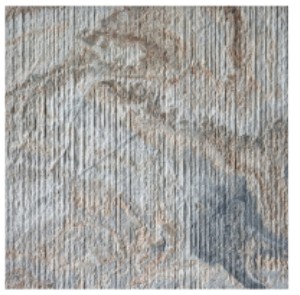 Sample 01
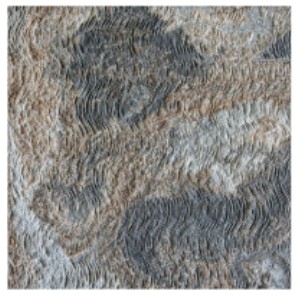 Sample 02
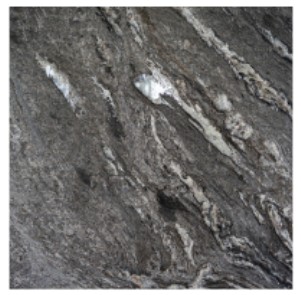 Sample 03
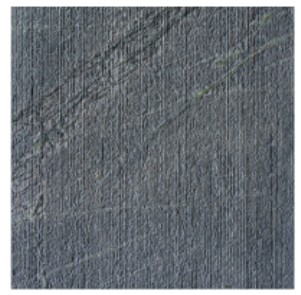 Sample 04
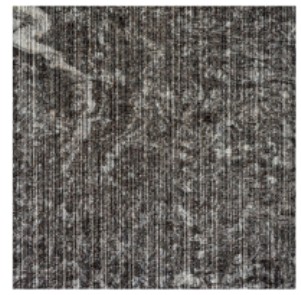 Sample 05
Click any sample to enlarge. Textures are produced by water-jet machining of the slab surface; appearance depends on the stone and the stored parameter set.
Electronically controlled direct pressurization up to 2500 bar. A complete line: intensifier plunger pump, high-speed water jet, processing gantry, and slab handling.
A plunger intensifier raises process water to 2500 bar. Direct pressurization is controlled electronically, so the set pressure is held at the nozzle without a mechanical relief valve deciding for you.
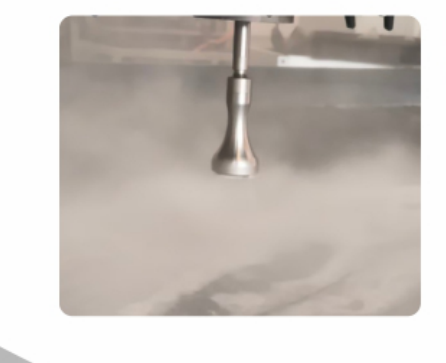
A high-efficiency nozzle converts pressure into a coherent jet. Material removal follows the programmed path at high traverse speed — the tool is water, and it never dulls.
The gantry carries the jet across the slab. Slabs move on loading and unloading conveyors; an optional flipper turns them for the second face.
Parameters are stored per material and recalled for the next slab. The finish is identical without an operator in the loop, and cycle time is known before the order is accepted.
Dimensions and pressure are given in metric and imperial units. Both platforms share the same working range and machine envelope.
| No. | Parameter | Specification |
|---|---|---|
| 1 | Working range (X × Y × Z) | 3,500 × 2,200 × 200 mm |
| 2 | Machine dimensions (L × W × H) | 5,450 × 3,950 × 2,500 mm |
| 3 | Machine weight | 11,650 kg |
| 4 | Pump power | 132 kW (177 HP) |
| 5 | Total installed power | 166 kW (223 HP) |
| 6 | Max. working pressure | 2,500 bar (36,000 psi) |
| 7 | Flow rate | 23 L/min (6.1 US gal/min) |
| 8 | Scope of supply | Intensifier plunger pump + stone surface-processing machine |
| 9 | Optional equipment | Slab flipper (up/down) · loading / unloading conveyor · sand filtration & water-softening system |
| No. | Parameter | Specification |
|---|---|---|
| 1 | Working range (X × Y × Z) | 3,500 × 2,200 × 200 mm |
| 2 | Machine dimensions (L × W × H) | 5,450 × 3,950 × 2,500 mm |
| 3 | Machine weight | 13,050 kg |
| 4 | Pump power | 250 kW (335 HP) |
| 5 | Total installed power | 284 kW (381 HP) |
| 6 | Max. working pressure | 2,500 bar (36,000 psi) |
| 7 | Flow rate | 47 L/min (12.4 US gal/min) |
| 8 | Scope of supply | Intensifier plunger pump + stone surface-processing machine |
| 9 | Optional equipment | Slab flipper (up/down) · loading / unloading conveyor · sand filtration & water-softening system |
A high-efficiency water-jet spray nozzle holds a stable jet across thousands of hours of operation. Pressure, stand-off and traverse are the three variables the controller manages; everything else is the program.
For asset-intensive operators we take responsibility for the entire control layer of the production line — from diagnostic assessment and solution design through retrofit delivery, managed operations and data-driven iteration.
Our force-control algorithms, machine vision and high-precision motion control are developed entirely in-house. That is what lets the equipment hold consistent performance in harsh, unpredictable conditions where conventional automation falls short.
The same control architecture is applied to robotic stone surface processing, where the long-standing efficiency problem has been machining complex, irregular stone patterns — work that depended for decades on manual craftsmanship. Stored robot programs replace it with a stable, repeatable result.
The HMI exposes exactly what a process engineer needs and nothing that invites improvisation on the line: system state, process selection, parameter sets and the CNC panel.
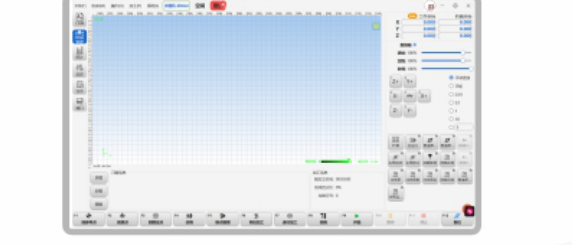
We start on the customer's line, not in a brochure: cycle time, scrap, finish consistency and the points where the existing control layer gives up.
Controls are replaced or added on existing machines, keeping the mechanical asset and shortening the path to a measurable result.
After handover, performance is iterated with production data — so quality and throughput keep improving rather than plateauing at commissioning.
Samples produced by water-jet machining of natural stone. Each finish corresponds to a stored parameter set, which is what makes a specified surface repeatable on later orders.
Sample 01Sample 02Sample 03Sample 04Sample 05Click any sample to enlarge. Appearance depends on the stone type, its veining and the parameter set used. Physical samples can be supplied for approval before an order is placed.
Once a surface has been approved, the parameters that produced it are stored in the control system: pressure, stand-off, traverse and pass sequence. Recalling that file reproduces the surface — on the same machine, months later, on a different slab.
“Every finish is repeatable, independent of operator skill.”
— Design intent of the YKHF control layer
We develop and manufacture intelligent control technologies that enable industrial equipment to sense, adapt and decide for itself.
Jiangsu UCO Intelligent Equipment Co., Ltd. develops and manufactures intelligent control technologies that enable industrial equipment to sense, adapt and decide for itself. Developed entirely in-house, our force-control algorithms, machine vision and high-precision motion control systems allow machines to hold consistent performance in harsh, unpredictable conditions where conventional automation falls short.
Our robotic stone surface processing equipment has overcome the long-standing efficiency problem of machining complex, irregular stone patterns, replacing decades of dependence on manual craftsmanship with stable, repeatable robot programs.
For asset-intensive operators, we take responsibility for the entire control layer of their production lines — from diagnostic assessment and solution design through retrofit delivery, managed operations and data-driven iteration — keeping performance improving long after handover. The result is measured where it matters: on the customer's own line. Higher quality, greater efficiency, lower cost.
Not in a test cell. On the customer's own line, against their cycle time, their scrap rate and their finish standard.
From a single machine to the whole control layer of an existing line, the engagement is the same: assess, design, deliver, iterate.
Complete stone surface-processing lines: intensifier pump, jet, gantry and slab handling, delivered with the stored process library for your materials.
Replacement or addition of the control layer on existing machinery — force control, vision, motion and HMI — without discarding the mechanical asset.
For quotations, datasheets, drawings and trial arrangements. Enquiries are handled by our sales engineers, and export orders are supported from specification through shipment.
Send these with your enquiry and the first reply can carry a process recommendation rather than a request for more information.
Most projects begin with one question: can this stone be finished to this standard, at this rate? We answer it with a trial.